
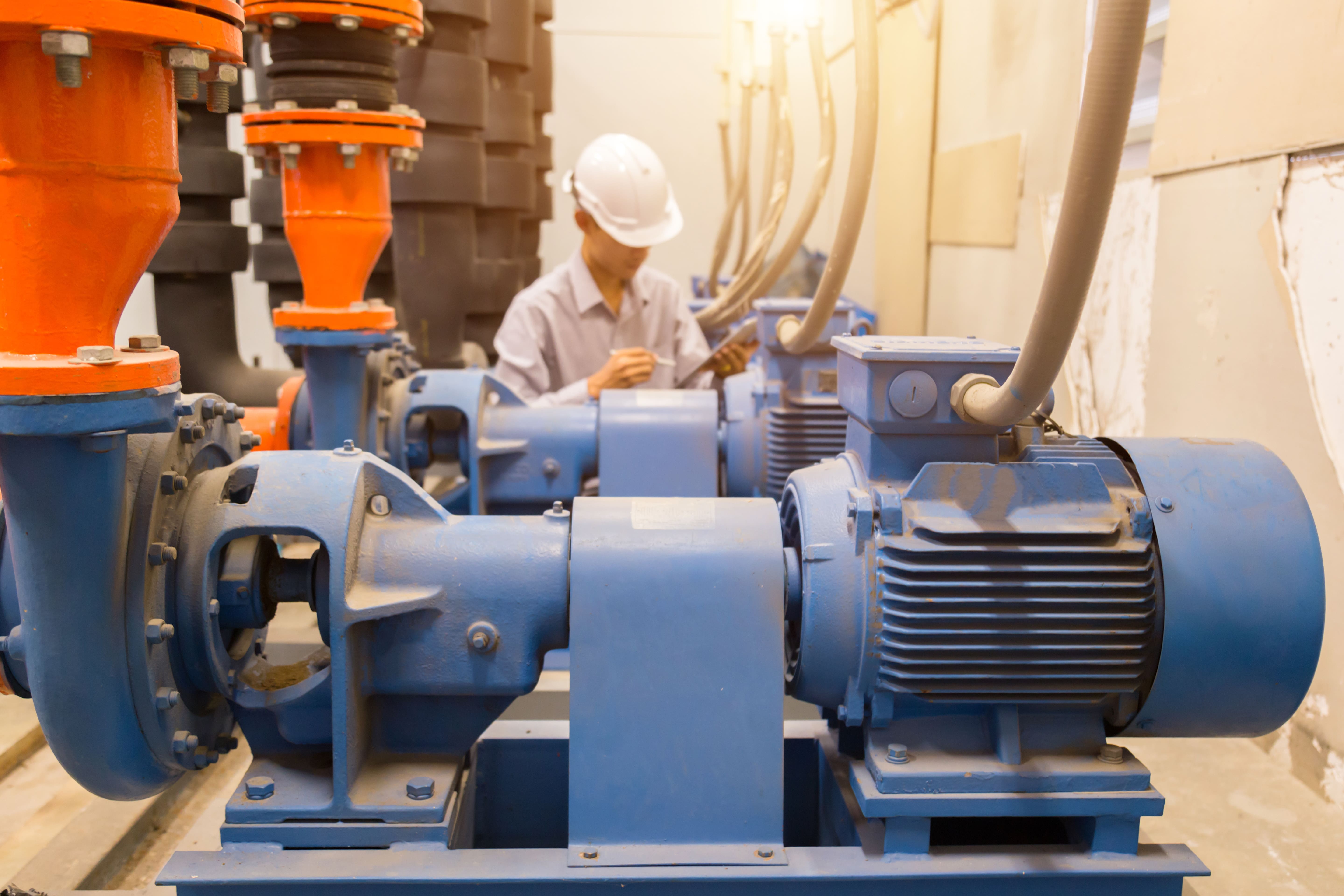
Pump cavitation can cause a number of problems. In addition to often being noisy, making sounds like pumping rocks and popping noises, it can also put a costly drain on your energy bill and severely damage the pump itself. That’s why doing everything you can to repair the issue and prevent it from happening in the future is essential.
Here, our pump repair experts from FloRight Pump & Controls have provided some insight into the problem, as well as a few tips for preventing costly issues down the road. So, let’s take a look!
What Exactly is Pump Cavitation?
Pump cavitation is when the liquid you’re pumping develops bubbles or cavities in it, often around the location of its impeller; such bubbles/cavities are usually found in lower-pressure areas. When these bubbles/cavities collapse, it causes serious damage to the pump and its impeller, sending out mini shockwaves throughout the system.
The two different types of pump cavitation are:
- Suction Cavitation: This is when a pump is not receiving enough flow and bubbles begin forming around its impeller. You can identify suction cavitation by inspecting your impeller; if it’s missing chunks and looks like a sponge, there’s an issue. Suction cavitation is caused by a range of things, like clogged filters, blocked pipes, and poor design.
- Discharge Cavitation: Discharge cavitation is when your pump’s discharge pressure is too high. The high pressure makes it difficult for fluid to flow out of the pump, so rather than doing so, it stays in it, circulating throughout it and causing shockwaves. Some of the most common causes of discharge cavitation are pipe blockage or clogged filters, as well as running too far left on the pump curve.
How Do I Prevent Pump Cavitation?
One of the best ways to prevent pump cavitation is to inspect your pump regularly, checking its filters and strainers to prevent suction clogs and other issues. Employing a pressure gauge and understanding how your pump flows is also important. As mentioned above, too much pressure can cause costly issues; so does too little pressure. Keeping your pump functioning at normal parameters will help prevent cavitation.
Lastly, your pump system’s design may need to be reevaluated if you have repeated issues. It may be due to poor piping and other factors that need to be addressed; otherwise, you might be paying for the same repairs over and over again due to cavitation.
Let us help increase efficiency with pump repairs and maintenance!
Do you want to prevent costly issues and keep your pump running at peak performance levels? Our team from FloRight Pump & Controls can help. Contact us today for more about our pump repairs and preventative maintenance programs. Visit us online or call (520) 585-4595.
