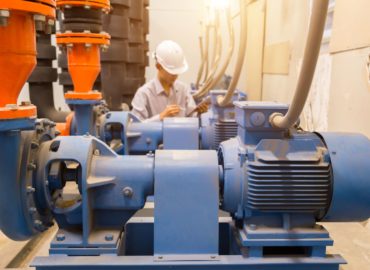
Pumps and waterworks provide numerous vital functions in our day-to-day lives – but for many people, the most important use is in wastewater plants. Without constant cleaning and recycling of the water within our homes, all but the smallest of towns would be unable to meet their water needs.
Lift station pump are a critical component in a wastewater plant, and the job they do is quite impressive: moving high volumes of water from lower to higher places, despite the force of gravity trying to prevent this.
How Wastewater Lift Stations and Pumps Work
Typical sewage systems do everything possible to keep the wastewater flowing downwards so that the force of gravity does most of the work in maintaining the flow. This makes sewers low-cost to run.
However, this creates a problem: once the wastewater arrives at a sewage processing plant, it’s at the bottom of its journey. These stations are often built within valleys and other places of low elevation, specifically to receive all the wastewater flowing down to them. But eventually, what goes down must come up, at least if it’s going to get pumped back out into the city after treatment.
The incoming wastewater first flows into a “wet well,” which is a storage tank where most of the solids and particulate matter are separated from the water. Once the water reaches a certain volume and has achieved acceptable levels of cleanliness, it’s sent into a series of high-pressure lift station pumps to start the water back on its journey upwards.
Even the smallest municipal lift stations are capable of pumping dozens of gallons of water per minute, and some of the largest wastewater plants can move hundreds of thousands of gallons per minute!
This requires extremely large, powerful pumps backed up by air compressors that help push the water upwards. Often, the workload is so high that these systems need multiple pumps, spreading out the load so that some pumps can rest and cool down. These stations may also utilize variable-flow pumps, again with the purpose of making sure the pumps never overheat or fail from overuse. Either way, having plenty of pumps and failover backup units is a must.
FloRight Pump & Controls Can Help
FloRight Pump & Controls has helped municipalities across America build and maintain their wastewater plants. If you are having issues with a lift station pump, or any other pumping apparatus within a wastewater plant, contact us for assistance.